Caught Using a Blue Badge By an Enforcement Officer
Being stopped or questioned can be alarming. In most cases, this does not mean you are guilty, but what happens next matters.
Already Received A Letter? Start here instead.
What it Means If An Enforcement Officer Stops You
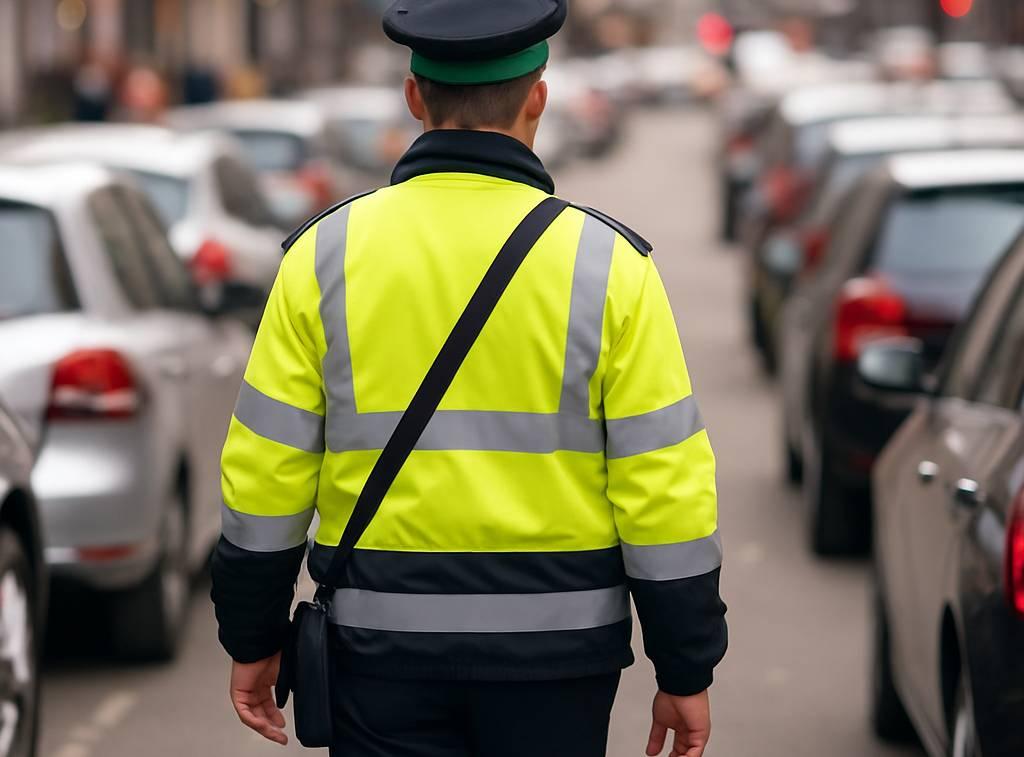
Being approached by a Civil Enforcement Officer about a Blue Badge is usually the beginning of a council investigation, not the end of the matter. The officer is not there to make a final decision. Instead, their role is to gather evidence.
What surprises many people is that the short conversation at the vehicle often becomes one of the most important parts of the case. Officers are trained to record what they see and what is said. These notes can later be relied upon by the council when deciding whether misuse, or even dishonesty, is suspected.
After the interaction, the officer will normally write a report, take photographs of the vehicle and badge position, and record any explanation given at the scene. That information is then sent to the council’s investigation team for review. The driver may hear nothing for several weeks, which leads many people to assume the matter has ended when it has actually only just begun.
Important to understand
- Being stopped does not automatically mean you will be prosecuted
- The officer at the scene does not decide guilt or charge you
- Your explanation is usually written down and kept as evidence
- Cases are normally reviewed later by a separate investigations team
- Most matters continue by letter weeks after the incident
In many Blue Badge cases, the council’s decision turns less on the parking itself and more on how the situation was described at the time. A brief comment made under pressure, or an unclear explanation, can sometimes be interpreted very differently once written in an official report.
This is why people are often surprised to later receive an investigation letter or interview invitation even though the officer seemed satisfied at the scene. The officer’s role is simply to document the circumstances. The legal assessment happens afterwards.
What Enforcement Officers Typically Do
Many people assume a complaint must come from a member of the public. In reality, most investigations begin with a routine patrol. Enforcement officers are trained to document what they see at the location and those observations often become the starting point of the council’s case. A typical report will include:
- Photograph the vehicle and Blue Badge display
- Note whether the badge holder was present
- Record short observations or timings
- Submit a report to the council for review
Officers are trained to capture a snapshot of the situation rather than conduct a full investigation at the roadside. They may watch the vehicle for a period of time, record whether anyone approaches or leaves it, and document anything said during a brief conversation. The report they submit is usually relied upon heavily by the council when deciding whether further action should be taken.
However, these observations are made in a short timeframe and often without knowledge of the wider circumstances. For example, an officer may not see the badge holder inside a nearby building, approaching from another entrance, or being collected moments later. Because the written report becomes official evidence, an incomplete picture can sometimes lead the council to form early conclusions that do not reflect what actually happened.
What you should avoid doing
When approached by an enforcement officer, most people react naturally and try to clear things up immediately. The difficulty is that what feels like a quick explanation can unintentionally create problems later. Officers are recording observations, and in some cases body-worn cameras are operating. Comments made at the scene can end up forming part of the evidence relied upon by the council. Below are a few things you should avoid doing.
- Arguing or trying to “explain everything” on the spot
- Admitting misuse without understanding the allegation
- Assuming the officer’s view is final
- Ignoring what happens next
What usually happens next
In most cases, you will later receive a letter from the council. This may:
- Ask for an explanation
- Invite you to an interview
- Request the return of the badge
- State that the matter is under investigation
Read what to do if you receive a Blue Badge misuse letter
Common Situations that Lead to Stops
Does one of these situations sound familiar?
Many Blue Badge investigations arise from everyday situations rather than deliberate misuse. Select the scenario that best matches what happened to you.
- I was picking up or dropping off the badge holder
- My partner or family member used the Blue Badge
- The badge holder was only away from the car briefly
Other common situations
- The badge was expired or cancelled
- I borrowed a family member’s badge
- The badge or time clock was displayed incorrectly
- The badge holder has passed away
Not sure which fits? Browse all scenarios.
Interviews and escalation
Some councils request interviews after an officer stop, even where the situation is unclear or administrative. Interviews can significantly affect how a case develops.
Interview under caution explained
Practical next steps
- Make a note of what happened while it’s fresh
- Keep any photos, letters, or reference numbers
- Do not rush to contact the council
- Get advice before responding or attending an interview
Request a free discovery call to understand how best to proceed.
Useful next steps
If you’re unsure what to do next, these guides explain the most common stages and how to respond safely.
Not sure which situation applies? Browse real-world scenarios.
Next steps
Being stopped by an enforcement officer is unsettling, but it is often only the beginning of the process. What you do next can influence how the council views the situation.
Use this form to request a free discovery call before the situation escalates.
Related guidance
Unsure what this means?
Get calm, discreet advice before responding to the council.
Get Free Discovery CallLatest from Our Blog
Stay informed about Blue Badge regulations and legal advice
Should You Accept a Police Caution for Blue Badge Misuse?
It is offered as the quiet way out: sign here, go home, no court. But a caution starts with you admitting the offence, it shows on a standard or enhanced DBS check for six years, and you cannot hand it back. When to take it, and when to refuse.
Read More →
Can My Partner Lose Their Blue Badge if I Was the One Caught Using It?
Yes: a council can revoke the badge holder's permit even if they weren't the one caught. Here's exactly how the administrative review process works, what 'permitted misuse' means in practice, and how to protect your partner's badge while defending your own case.
Read More →
Will the Police Visit My House After a Blue Badge Incident?
In 95% of cases, it won't be the police: it will be a council fraud investigator. But that doesn't make it less serious. Here's exactly who might knock at your door, why, and what you should and shouldn't say.
Read More →Get Your Free Discovery Call
Speak to a specialist before replying or attending any interview.