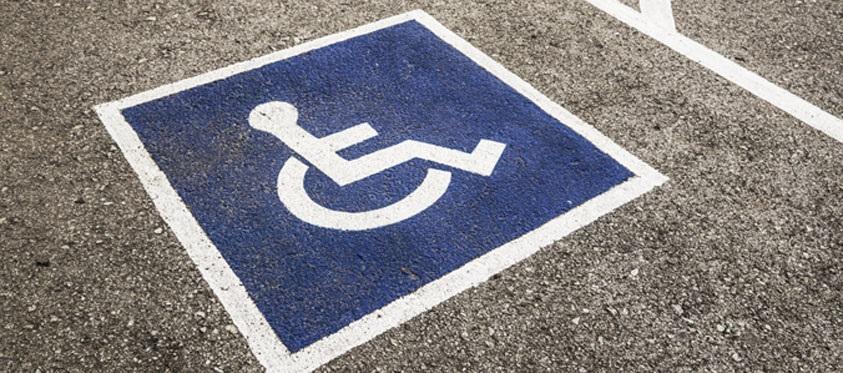
Incorrect Blue Badge display or missing time clock
Many Blue Badge investigations start because of how the badge or time clock was displayed. These cases are often administrative, not deliberate misuse.
Received a letter? What to do before replying.
Why display errors lead to investigations
An enforcement officer walking a street has seconds at each vehicle and a camera in one hand. What they can record is what the windscreen shows: the face of the badge, the serial number, the expiry date, and the clock if the bay requires one. What they cannot record is the reason any of those things is missing.
So a badge that slid off the dashboard when you closed the door, or a clock you set to the wrong hour, produces the same photograph as a badge deliberately turned over to hide whose it is. The file that reaches the investigations team weeks later contains the photograph and not the explanation, and the letter you receive is written from that file.
This matters because display cases split cleanly in two. A genuine display error by an entitled holder is a parking contravention, dealt with by a Penalty Charge Notice you can challenge through the normal appeal route. Concealment, where the council says the badge was positioned to stop anyone reading it, is investigated as misuse and can end up in the magistrates court. The same photograph can start either process.
Common display issues
- Time clock missing or not set correctly
- Badge displayed upside down
- Expiry date not clearly visible
- Clock set incorrectly for the arrival time
- Badge slipped out of view
How councils usually assess these cases
Investigators work backwards from the photograph, and four questions decide which of the two routes your case takes.
- Was the badge valid on the day? A valid badge displayed badly is a very different matter from an invalid badge displayed badly. If yours was in date and the holder still qualified, nobody obtained a concession they were not entitled to.
- Was the holder there? A display fault while the holder sat in the passenger seat is close to unarguable as an honest error. The same fault with the holder ten miles away is a different case, and the display point becomes the smaller half of it.
- Does the photograph show concealment or accident? A badge face down under a parking ticket reads differently from a badge lying at an angle on the passenger side of the dash. Officers photograph the whole windscreen for exactly this reason.
- Has it happened before? One clock error is a mistake. The same vehicle, the same bay, the clock never set, is the pattern councils use to argue the omission was doing work for you.
Time clocks deserve their own mention because they generate more of these cases than anything else. In a bay with a time limit the clock is part of the entitlement, not an accessory to it, and an unset clock means the council cannot tell when you arrived. That is enough for a contravention even where everything else about the parking was correct.
What evidence can help
Display cases turn on images, which means the useful evidence is mostly visual and mostly time sensitive. Collect it now rather than when the interview letter comes.
- Photographs of the badge itself, front and back, showing the serial number and the expiry date are legible in normal light.
- A photograph of your dashboard as it normally sits, which shows how a badge can slide on that surface in that vehicle.
- Proof the badge was valid on the day: the badge record, the renewal confirmation, or the holder’s eligibility evidence.
- Anything fixing the holder’s presence, such as an appointment letter for the building you parked outside.
- The council’s own photographs. Ask for them. Officers often take several, and the ones not attached to the letter can show the badge was visible from a different angle.
What to avoid
- Assuming a display error automatically means guilt
- Over-explaining before checking the council’s evidence
- Attending an interview without preparation
Interviews and escalation risk
Some councils request interviews even where the issue is purely administrative. Interviews can shift a minor matter into something more serious if handled poorly.
Blue Badge interview under caution explained
Practical next steps
- Do not assume the council’s interpretation is correct
- Request disclosure of any photos or evidence
- Clarify whether the badge itself was valid
- Get advice before responding or attending an interview
Request a free discovery call to understand how best to respond.
Related guidance
- Common council mistakes in Blue Badge investigations
- Defences to Blue Badge misuse allegations
- Can Blue Badge misuse charges be dropped?
Next steps
Display-related cases are often resolvable when handled calmly and early. Avoid rushing a response until you understand what the council is alleging.
Use this form to request a free discovery call before replying.
Latest from Our Blog
Stay informed about Blue Badge regulations and legal advice
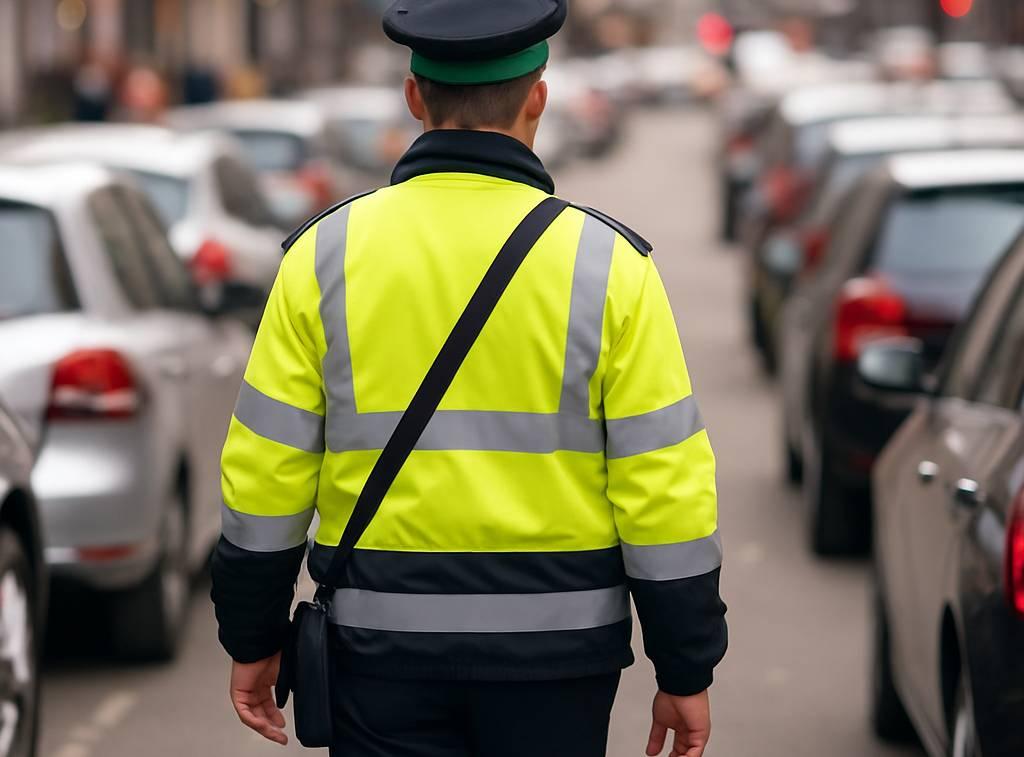
Should You Accept a Police Caution for Blue Badge Misuse?
It is offered as the quiet way out: sign here, go home, no court. But a caution starts with you admitting the offence, it shows on a standard or enhanced DBS check for six years, and you cannot hand it back. When to take it, and when to refuse.
Read More →
Can My Partner Lose Their Blue Badge if I Was the One Caught Using It?
Yes: a council can revoke the badge holder's permit even if they weren't the one caught. Here's exactly how the administrative review process works, what 'permitted misuse' means in practice, and how to protect your partner's badge while defending your own case.
Read More →
Will the Police Visit My House After a Blue Badge Incident?
In 95% of cases, it won't be the police: it will be a council fraud investigator. But that doesn't make it less serious. Here's exactly who might knock at your door, why, and what you should and shouldn't say.
Read More →Get Your Free Discovery Call
Speak to a specialist before replying to the council.