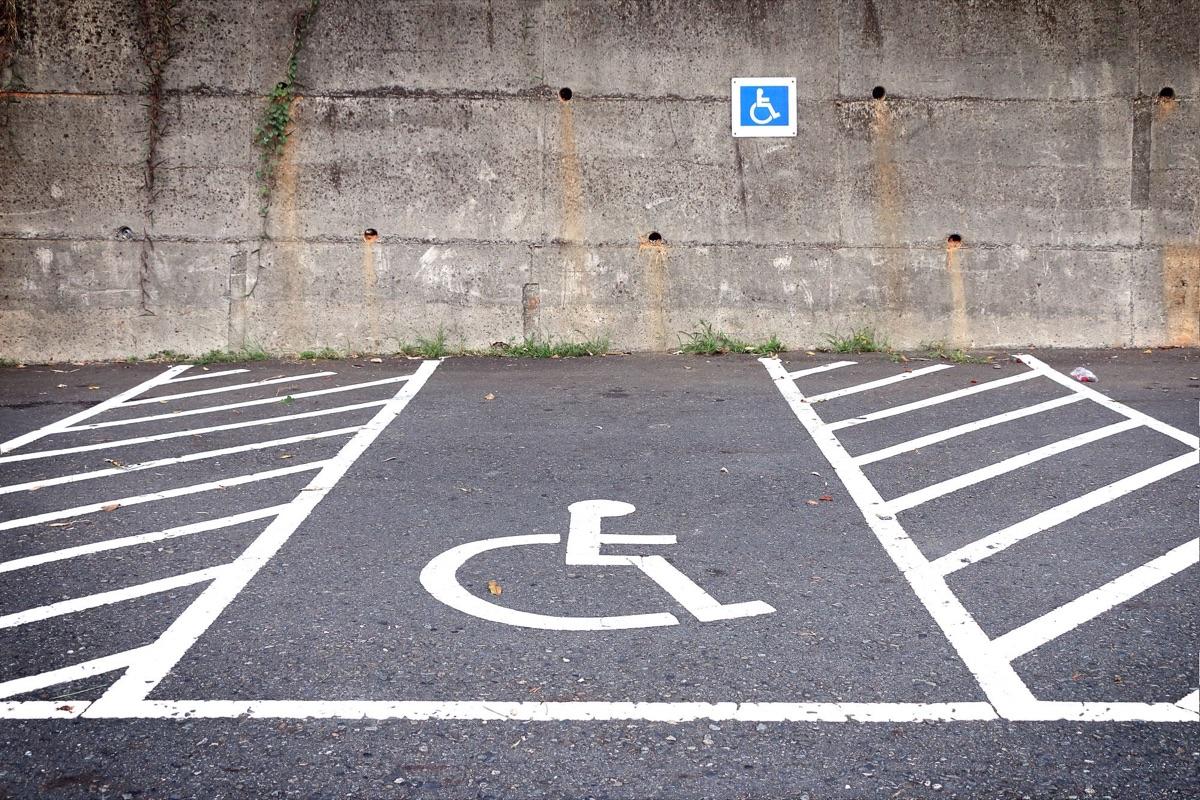
Where You Cannot Park With a Disabled Badge
Many Blue Badge investigations start with something small. A short stop outside a shop. Parking outside a home. Waiting for someone to come out.
Then weeks later a letter arrives from the council.
The reality is this: most badge holders who get contacted did not deliberately misuse their badge. They misunderstood where the rules still apply.
A Blue Badge gives important concessions, but it does not override all parking restrictions. Some locations remain prohibited at all times, even for genuine badge holders.
This guide explains exactly where you cannot park, and the specific places that most often lead to council investigations.
Places Where You Cannot Park With a Disabled Badge
Clearways and Urban Clearways
You cannot park on a clearway at any time. On an urban clearway, stopping is allowed only to pick up or drop off passengers. Waiting or parking is prohibited regardless of whether you hold a Blue Badge.
Bus Lanes and Bus Stops
A disabled badge does not allow you to stop or park in any bus lane or bus stop. These must remain free for public transport vehicles at all times.
Taxi Ranks
Taxi ranks are reserved exclusively for licensed taxis. Blue Badge holders cannot park here under any circumstances. Taxi ranks are treated as operational highway space rather than parking space. Because they must remain immediately available for licensed taxis, Blue Badge concessions never apply, even for short stops.
Loading Bays
Most loading bays do not permit Blue Badge parking unless a sign specifically mentions an exemption. If no exemption is stated, assume parking is prohibited.
School Keep Clear Zones
The yellow zigzag markings outside schools are designated child safety areas rather than standard parking controls. They exist to maintain visibility for children crossing and to prevent congestion at peak times. For that reason, Blue Badge concessions do not apply and stopping is not permitted, even for short periods or passenger drop-off.
Zigzag Lines at Crossings
Zigzag markings at zebra, pelican and puffin crossings are not treated as parking restrictions but as pedestrian safety zones. The law requires these areas to remain completely clear so drivers approaching the crossing have full visibility of people stepping onto the road. Because the purpose is safety rather than parking control, Blue Badge concessions never apply and stopping, waiting or parking is prohibited at all times.
Red Routes
Red routes are designed to keep traffic moving on major roads and are enforced more strictly than ordinary parking restrictions. Stopping is prohibited except in clearly signed bays during permitted times. A Blue Badge does not override the red route stopping restriction unless a specific disabled bay is marked and signposted. Parking outside a marked bay, even briefly, can lead to enforcement action.
Double Yellow Lines With Loading Restrictions
Normally, Blue Badge holders may park on double yellow lines for up to three hours because these are waiting restrictions only. However, yellow kerb markings indicate a loading restriction rather than a parking restriction. These markings are intended to keep the roadside clear for deliveries and traffic flow, and the exemption for Blue Badge holders does not apply. If kerb blips are present, parking is prohibited even when displaying a valid badge and clock.
Private Car Parks That Don’t Honour Blue Badges
Some private car parks, including ANPR-operated sites, do not offer any Blue Badge concessions. Always check the car park terms before leaving your vehicle.
Residents-Only Permit Bays
A Blue Badge does not override resident permit requirements unless the council has explicitly granted an exemption. Rules vary by authority.
Suspended Parking Bays
If a bay is suspended, it cannot be used even with a Blue Badge.
Private Land and Supermarket or Hospital Car Parks
Many drivers are surprised to learn that the Blue Badge scheme mainly applies to on-street parking controlled by the local authority. The badge is part of a council parking concession scheme, not a universal permit that overrides all parking rules.
Private car parks, including supermarkets, retail parks, hospital sites and residential developments, are usually managed by private parking companies. These locations operate under contract law rather than road traffic regulations. By entering the site and parking, a driver is considered to have accepted the terms displayed on the signage. This means a valid Blue Badge does not automatically provide the same concessions as it would on a public road.
Some private operators provide disabled bays and grace periods, but these are policy decisions rather than legal Blue Badge rights. As a result, a parking charge can still be issued if the vehicle is parked outside a marked bay, overstays a time limit, or fails to follow the car park’s specific conditions.
However, the situation is not always straightforward. Private landowners and parking operators must still comply with equality law. Where a person has a disability, the operator may be required to make reasonable adjustments, which can include allowing additional time or flexibility depending on the circumstances.
Because of this overlap between contract law and disability rights, private car park cases often require careful review before deciding whether a parking charge is enforceable.
Why Councils Pay Particular Attention to Blue Badge Parking
Many people assume councils simply patrol streets at random and occasionally issue penalties. In reality, most Blue Badge investigations begin because a specific parking pattern has been noticed.
Local authorities actively protect disabled bays and concessions because misuse directly affects other badge holders who rely on those spaces. As a result, enforcement officers are trained to look for situations that appear inconsistent with normal badge use rather than targeting drivers arbitrarily.
In many cases, the first step is not a fine but observation. An officer may return to the same location on different days, make notes, or take photographs to establish whether the badge is being used correctly.
Common situations that often lead to closer attention include:
- The same vehicle parked in the same location every day
- Long stays in short-stay or time-limited areas
- The badge holder not being seen entering or leaving the vehicle
- Regular parking outside a workplace or business premises
- Reports or complaints from nearby residents, wardens, or shopkeepers
Importantly, these observations do not automatically mean misuse has occurred. There are many legitimate explanations, and councils frequently investigate situations that later turn out to be lawful use of the badge.
However, once a pattern has been recorded, the council may contact the registered keeper for an interview or request an explanation before deciding whether to take further action.
Understanding this helps explain why some badge holders are contacted even when they believed they were parking correctly.
Situations Where You Must Be Careful
Time-Limited Disabled Bays
Some disabled bays have maximum stay limits. You must display your clock disc showing your arrival time along with your badge.
Controlled Parking Zones (CPZs)
Within a CPZ, restrictions vary street by street. Your badge does not override peak-hour restrictions unless the sign says otherwise.
In many investigations, drivers assume a Blue Badge allows parking during controlled hours. It does not. If a bay requires a permit during operational times, the badge alone is not sufficient unless the sign specifically states "disabled badge holders exempt."
Dropped Kerbs
Parking where you block a dropped kerb is prohibited, even if not marked. This includes private driveways and pedestrian crossing points.
Footway Parking (Especially in London)
In London, pavement parking is banned unless signs explicitly allow it. Blue Badge holders do not get an exemption.
Quick Summary
Here are the key places you cannot park with a disabled badge:
- Clearways and urban clearways
- Bus lanes and bus stops
- Taxi ranks
- Loading bays (unless signs allow it)
- School keep clear zones
- Zigzag lines
- Red routes without exemptions
- Double yellow lines with loading restrictions
- Private car parks that don’t honour Blue Badges
- Residents-only bays without permission
- Suspended bays
- Private land with parking controls
Conclusion
If you have been contacted by a council about Blue Badge use, do not ignore it. These cases are often decided before the interview even takes place, and early legal advice can significantly change the outcome.
We can connect you with solicitors experienced in Blue Badge investigations who can advise you before responding to the council.
Need Help With a Blue Badge Parking Issue?
If you’ve received a Penalty Charge Notice or are unsure about the rules, get in touch today. We will connect you with a specialist Blue Badge solicitor for a free initial consultation.
Get Free Blue Badge Legal Discovery CallKnow your rights and avoid penalties by getting expert advice.

Cara Sheehan
Legal Expert