
Defences to Blue Badge misuse allegations
Not every allegation leads to prosecution. Many cases turn on evidence, intent, and how the situation is explained.
Already contacted by the council? Start here.
Are Blue Badge misuse allegations always clear-cut?
Many people assume that if a council raises a Blue Badge misuse allegation, there must have been a clear breach of the rules. In reality, cases are often more nuanced than the initial letter suggests.
Councils must rely on evidence, apply the correct legal tests, and interpret the circumstances fairly. Where evidence is incomplete, assumptions are made, or intent is unclear, there may be a defence.
Important to understand
This page explains common defence themes. It does not mean every case will be defended successfully. Outcomes depend on the facts, evidence, and how the case is handled.
Common defences in Blue Badge misuse cases
Defences often focus on whether the council can actually prove misuse, rather than whether a rule was technically breached.
1. The badge holder was being collected or dropped off
One of the most common situations involves picking up or dropping off the badge holder. Councils sometimes assume misuse if the badge holder is not visible at the exact moment an officer observes the vehicle.
Timing, location, and purpose matter. Evidence such as appointment times, witness statements, or short absence can be relevant.
2. The badge was used for the benefit of the holder
The Blue Badge scheme is intended to support the badge holder. Where parking was genuinely connected to their needs, councils may be required to consider the wider context rather than isolated observations.
3. Insufficient or unclear evidence
Some cases rely heavily on a single photograph, brief observation, or officer notes. Evidence may not show where the badge holder was, how long the vehicle was parked, or what happened immediately before or after.
Weak or incomplete evidence can undermine an allegation.
4. Incorrect assumptions by enforcement officers
Officers may assume relationships, intent, or patterns of behaviour that are not supported by facts. These assumptions can sometimes be challenged with explanation and supporting material.
5. Badge validity misunderstandings
Allegations sometimes arise from confusion over expiry dates, replacement badges, or temporary administrative issues. Not every validity issue amounts to deliberate misuse.
6. Lack of dishonest intent
Where councils suggest fraud, intent often becomes a key issue. Mistakes, misunderstandings, or genuine belief about correct use may be relevant, depending on the allegation.
When alleged misuse may not amount to fraud
Some Blue Badge cases are framed in serious terms, including references to fraud. However, not every breach or mistake meets the threshold for criminal fraud.
Fraud allegations usually require proof of dishonesty. Situations involving confusion, short-term use for collection, or administrative errors may fall short of that standard.
Common council mistakes in investigations
- Relying on limited observation without context
- Failing to consider explanations or supporting evidence
- Assuming intent without proof
- Using generic wording that does not reflect the specific facts
These issues do not automatically invalidate a case, but they can be relevant when responding to a letter or interview request.
Why early advice matters
Defences are often lost not because they do not exist, but because of how a case is handled early on. Written responses and interview answers can shape the council’s view of the facts.
A solicitor can help you decide what to explain, what to evidence, and what to challenge, based on your specific situation.
What to do if you’re facing an allegation
- Do not rush a written response
- Do not assume the council’s version is complete
- Gather documents and timelines
- Get advice before attending any interview
Request a free, confidential discovery call to discuss your situation before responding.
Related guidance
Next steps
If you are facing a Blue Badge misuse allegation, the presence or absence of a defence often depends on how the matter is handled early.
Use this form to request a free discovery call before replying to the council or attending any interview.
Need legal guidance?
Understand your options before you respond or attend an interview.
Get Free Discovery CallLatest from Our Blog
Stay informed about Blue Badge regulations and legal advice

Should You Accept a Police Caution for Blue Badge Misuse?
It is offered as the quiet way out: sign here, go home, no court. But a caution starts with you admitting the offence, it shows on a standard or enhanced DBS check for six years, and you cannot hand it back. When to take it, and when to refuse.
Read More →
Can My Partner Lose Their Blue Badge if I Was the One Caught Using It?
Yes: a council can revoke the badge holder's permit even if they weren't the one caught. Here's exactly how the administrative review process works, what 'permitted misuse' means in practice, and how to protect your partner's badge while defending your own case.
Read More →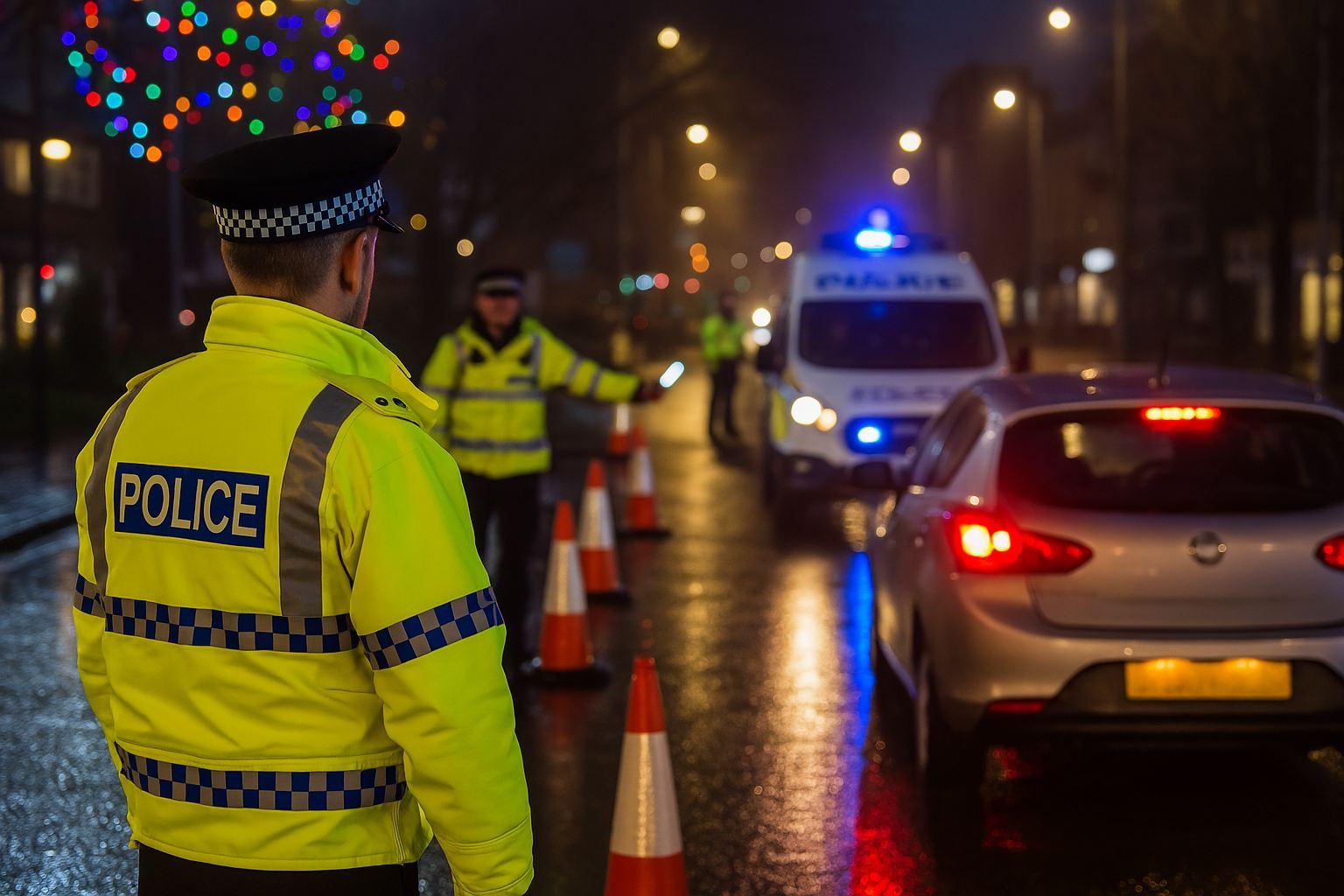
Will the Police Visit My House After a Blue Badge Incident?
In 95% of cases, it won't be the police: it will be a council fraud investigator. But that doesn't make it less serious. Here's exactly who might knock at your door, why, and what you should and shouldn't say.
Read More →Get Your Free Discovery Call
Speak to a specialist before replying to the council.