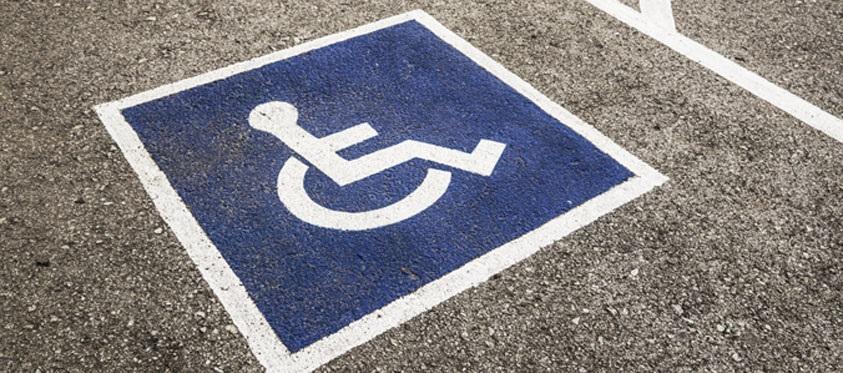
Blue Badge Short Absence Scenario
Many cases start because the badge holder wasn’t visible when an officer observed the car. Short absences are common. Context matters.
Received a letter? What to do before replying.
Why This Happens
Enforcement decisions are made from observation windows of a few minutes. An officer notes the time, walks the street, returns, and writes down what changed. If the badge holder was not visible during either pass, the log records a vehicle displaying a badge with nobody in it, and that log becomes the case.
Real life fills those gaps differently. The holder was inside the surgery, walking slowly from the corner, waiting in a foyer out of the rain, or being helped to a door while you went back to feed the meter. None of that appears in the log.
Five minutes is not the test
People arrive at this page believing a short absence must be acceptable because it was short. Duration is not the question. The question is whether the parking was for the badge holder’s benefit. Two minutes while you buy your own lunch is misuse; forty minutes while the holder is at an appointment you drove them to is not.
That distinction decides the case, and it explains why the length of time in the council’s letter is usually a distraction. What the council is really trying to establish is purpose, and it infers purpose from where everyone was and what they were doing.
What Typically Matters In This Scenario
- How long the vehicle was parked
- Where the badge holder was and why
- Whether the parking was connected to the holder’s needs
- What the council evidence actually shows
Common Short Absence Examples
These four come up constantly, and they do not all carry the same risk.
- You went inside to collect the holder. The strongest version. The parking existed to reach them, and an appointment time or a text message usually proves it.
- The holder went inside while you waited in the car. Also strong, and often provable by the officer’s own photograph, which will show a driver in the vehicle.
- You helped them to the entrance, then returned to move the car. Genuine, but harder, because at the moment of observation the holder is out of sight and you are alone at the vehicle. This is where most disputed cases sit.
- You parked, then ran an errand of your own while they waited. This is the version councils prosecute. The badge is being used for your convenience, and the holder’s presence in the car does not cure that.
Where a case is genuinely borderline, the deciding factor is almost always whether anything independent corroborates the account. Officers write their notes at the scene, and a recollection offered six weeks later without a document behind it rarely displaces a contemporaneous log.
What Evidence Can Help
- Short, clear timeline written immediately
- Appointment letters, receipts, or check-in times
- Texts/calls arranging pickup
- Badge holder statement or brief note about what happened
- Requesting disclosure if CCTV is referenced
What to Avoid
- Over-explaining in writing without checking times
- Guessing the council’s evidence
- Attending an interview unprepared
Interviews Can Lock In A Narrative
Councils may use interviews to test your account and confirm concerns. If an interview is requested, get advice first.
Related guidance
- Defences to Blue Badge misuse allegations
- Common council mistakes in investigations
- Can charges be dropped?
Next steps
If your case is a short absence scenario, careful handling early on can make a difference. Get advice before replying or agreeing to an interview.
Request a free discovery call before you respond.
Latest from Our Blog
Stay informed about Blue Badge regulations and legal advice
Should You Accept a Police Caution for Blue Badge Misuse?
It is offered as the quiet way out: sign here, go home, no court. But a caution starts with you admitting the offence, it shows on a standard or enhanced DBS check for six years, and you cannot hand it back. When to take it, and when to refuse.
Read More →
Can My Partner Lose Their Blue Badge if I Was the One Caught Using It?
Yes: a council can revoke the badge holder's permit even if they weren't the one caught. Here's exactly how the administrative review process works, what 'permitted misuse' means in practice, and how to protect your partner's badge while defending your own case.
Read More →
Will the Police Visit My House After a Blue Badge Incident?
In 95% of cases, it won't be the police: it will be a council fraud investigator. But that doesn't make it less serious. Here's exactly who might knock at your door, why, and what you should and shouldn't say.
Read More →Get Your Free Discovery Call
Speak to a specialist before replying.