
I Borrowed a Family Member’s Blue Badge
Almost nobody in this situation set out to break the law. They borrowed a parent’s badge for one errand and thought nothing of it. Here is how councils actually assess these cases, and what to do before you reply.
Already had a letter? Start with what to do before replying.
The rule that catches families out
A Blue Badge belongs to a person, not to a household and not to a car. It travels with your mother, your father or your son, and the concession it carries only applies when the parking is genuinely for their benefit. That means the holder travelling with you, or you collecting them or dropping them off.
What surprises most people is that being related changes nothing. Councils see the same explanation every week: the badge was in the glovebox, the trip was for the family, nobody thought it mattered. Under section 117 of the Road Traffic Regulation Act 1984, using a badge when the holder is not benefiting from the parking is an offence whether or not you are family, and whether or not you meant any harm.
Two cases run at once, against two different people
The council can prosecute you for the use, and separately review whether your relative should keep their badge at all. These processes are independent. An acquittal in the criminal case does not stop the badge being revoked, and the badge being returned does not stop the prosecution.
Families often defend one and forget the other, then lose the badge that the whole exercise was meant to protect. Our guide to how the holder’s badge is put at risk sets out that second process.
What councils actually weigh
Investigators are not deciding whether you are a good son or daughter. They are assembling a file that answers four questions, and the answers determine whether you receive a warning, an out-of-court settlement, or a summons.
Where the badge holder was
DecisiveThe single question that shapes most cases. If your relative was in the car, or you were collecting them from the building you parked outside, the parking was arguably for their benefit. If they were at home, in hospital, or abroad, the council will say the concession was not available to you at all.
How often it happened
Heavily weightedA single occasion reads as a lapse. The same badge in the same bay every Tuesday reads as a system, and councils build cases on pattern evidence pulled from enforcement logs and camera data. Repetition is what turns a warning letter into a prosecution file.
What you said at the roadside
Often overlookedAn officer writes down your explanation at the vehicle. If that account later changes, the difference becomes the council's best evidence of dishonesty, whatever the truth of the original trip.
Whether the holder knew
Affects two peopleIf your relative handed you the badge, the council can treat that as permitted misuse and review their entitlement separately from your case. If you took it from a drawer without asking, their badge is safer and your position is worse.
Where the family version gets more serious
Three variations move a borrowed badge case out of the ordinary and towards a dishonesty charge under the Fraud Act 2006, which carries far heavier consequences than a section 117 fine.
- The holder is in hospital or a care home. The council can usually establish exactly where they were, and the argument that you were collecting them collapses against admission records.
- The holder has died. A badge is not inheritable, and using one after a death is treated as dishonesty rather than misuse. We deal with that separately in the deceased badge holder scenario.
- You gave a false name or account. Saying the holder was inside the shop when they were forty miles away shifts the case from careless to deliberate, and that is the line the Fraud Act turns on.
What helps your position
Borrowed badge cases are often better than they first look, because the honest explanation usually happens to be the legally relevant one. What matters is evidencing it before you are asked to account for yourself on tape.
- Anything that fixes your relative’s location that day: an appointment letter, a text message arranging the lift, a call log, a receipt.
- Evidence that the trip served their needs, such as a prescription collected in their name or a shop close to their address.
- Proof that this was an isolated occasion rather than a habit, which is the factor most likely to keep the matter out of court.
- A record of what you said at the roadside, written down while you still remember it accurately.
What to avoid
The damage in these cases is rarely done by the parking. It is done in the two weeks afterwards, by people trying to be helpful.
- Do not send a long written explanation to the council before you understand what they already have. A letter cannot be withdrawn and it becomes evidence.
- Do not ask your relative to say they were present if they were not. That converts a parking matter into a conspiracy, and it exposes them too.
- Do not treat an invitation to an interview under caution as an informal chat. It is a recorded criminal interview, and the council has usually finished gathering evidence before it sends the invitation.
- Do not ignore a section 172 request. Failing to identify the driver is a separate offence in its own right.
Related guidance
- Defences to a Blue Badge misuse allegation
- Can these charges be dropped?
- Every scenario we cover
- How individual councils investigate
Next steps
If a letter has arrived, the useful work happens now, before you reply. A short conversation about what the council has and what it still needs to prove is usually enough to tell you whether this ends in a warning or a court date. Speak to a specialist before replying.
Need discreet advice?
Borrowed badge cases turn on details that are easy to evidence early and almost impossible to reconstruct later. Talk it through before you write to the council.
Get a free discovery callLatest from Our Blog
Stay informed about Blue Badge regulations and legal advice
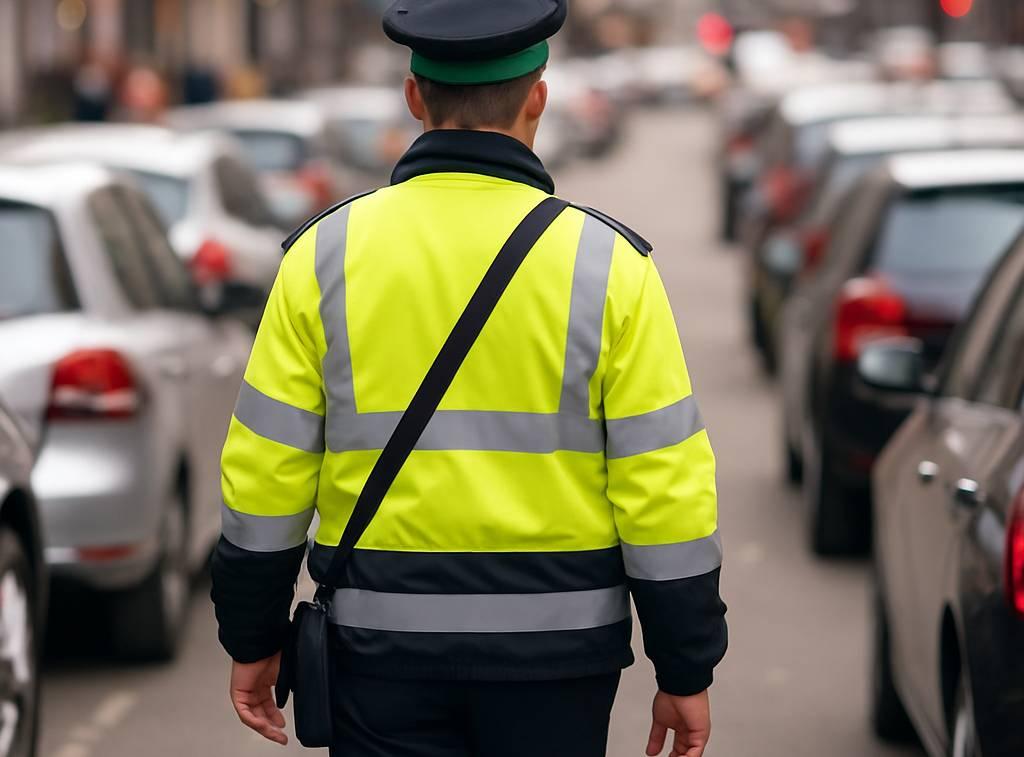
Should You Accept a Police Caution for Blue Badge Misuse?
It is offered as the quiet way out: sign here, go home, no court. But a caution starts with you admitting the offence, it shows on a standard or enhanced DBS check for six years, and you cannot hand it back. When to take it, and when to refuse.
Read More →
Can My Partner Lose Their Blue Badge if I Was the One Caught Using It?
Yes: a council can revoke the badge holder's permit even if they weren't the one caught. Here's exactly how the administrative review process works, what 'permitted misuse' means in practice, and how to protect your partner's badge while defending your own case.
Read More →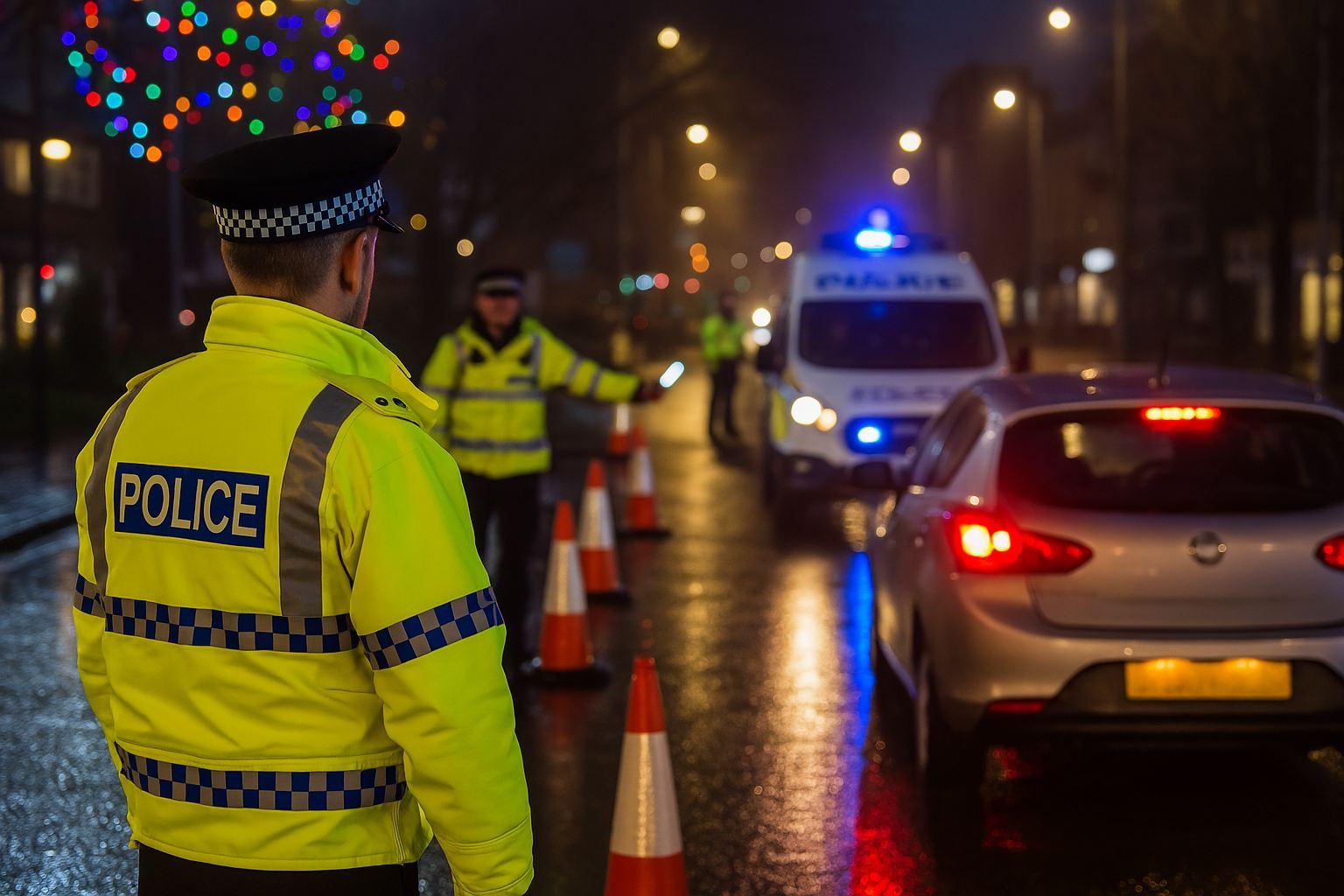
Will the Police Visit My House After a Blue Badge Incident?
In 95% of cases, it won't be the police: it will be a council fraud investigator. But that doesn't make it less serious. Here's exactly who might knock at your door, why, and what you should and shouldn't say.
Read More →Get Your Free Discovery Call
Tell us what happened and what the council has sent. We will tell you what it means and what your options are.