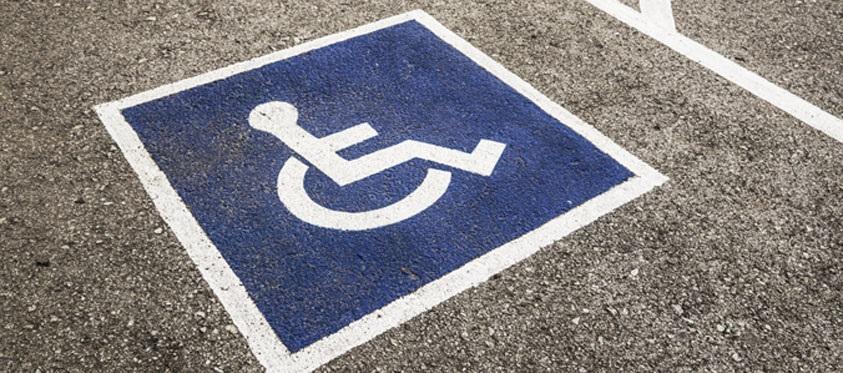
Blue Badge misuse scenarios
Most investigations start with a real-life situation, not a clear-cut “fraud story”. Choose the scenario that best matches what happened and see how councils usually assess it.
Received a letter? Start with what to do next.
Pick the scenario that fits best
Councils often rely on brief observations, photographs, or limited context. These guides explain common situations that lead to investigations, what tends to matter, and what to avoid before you respond.
Pickup or drop-off of the badge holder
You parked while collecting or dropping off the badge holder, but they were not visible when an officer observed the vehicle.
Partner or family member used the badge
The badge was used by someone else and the council believes it was not for the badge holder’s benefit.
Short absence (badge holder briefly away)
The badge holder was only away from the car briefly. The council may be relying on a short observation window that does not show the full timeline.
Expired or cancelled Blue Badge
The badge was expired or cancelled and you did not realise at the time. These cases are often treated differently from deliberate misuse.
Borrowed a family member’s Blue Badge
You used a parent or relative’s badge and the council is treating it as misuse. Context and intent can matter, but risk varies.
Incorrect display or missing time clock
The badge was valid, but the time clock was missing, set wrong, or the badge was not clearly visible. These are often administrative issues.
Badge holder has passed away
Sensitive cases where the council believes the badge was used after the holder’s death. Timing and knowledge are usually key factors.
If you’re not sure which scenario applies
That is normal. Many situations overlap, and councils do not always describe allegations clearly in the first letter. The safest approach is to get advice before committing to a written explanation or interview.
Request a free, confidential discovery call and we’ll help you work out the best next step.
Useful next steps
Start here
Next steps
If you’ve recognised your situation in one of these scenarios, your next step is usually to avoid rushing a written response and get clarity on what the council is alleging.
Use this form to request a free discovery call before you respond.
Need help choosing a response?
Get discreet guidance before you reply or attend an interview.
Get Free Discovery CallWhat's your risk level?
Answer 4 quick questions and get an instant Prosecution Risk score based on your situation.
Take the Risk CalculatorCouncil enforcement
If your letter names a specific council, it can help to read the enforcement overview for that authority.
Latest from Our Blog
Stay informed about Blue Badge regulations and legal advice
Should You Accept a Police Caution for Blue Badge Misuse?
It is offered as the quiet way out: sign here, go home, no court. But a caution starts with you admitting the offence, it shows on a standard or enhanced DBS check for six years, and you cannot hand it back. When to take it, and when to refuse.
Read More →
Can My Partner Lose Their Blue Badge if I Was the One Caught Using It?
Yes: a council can revoke the badge holder's permit even if they weren't the one caught. Here's exactly how the administrative review process works, what 'permitted misuse' means in practice, and how to protect your partner's badge while defending your own case.
Read More →
Will the Police Visit My House After a Blue Badge Incident?
In 95% of cases, it won't be the police: it will be a council fraud investigator. But that doesn't make it less serious. Here's exactly who might knock at your door, why, and what you should and shouldn't say.
Read More →Get Your Free Discovery Call
Speak to a specialist before replying to the council.