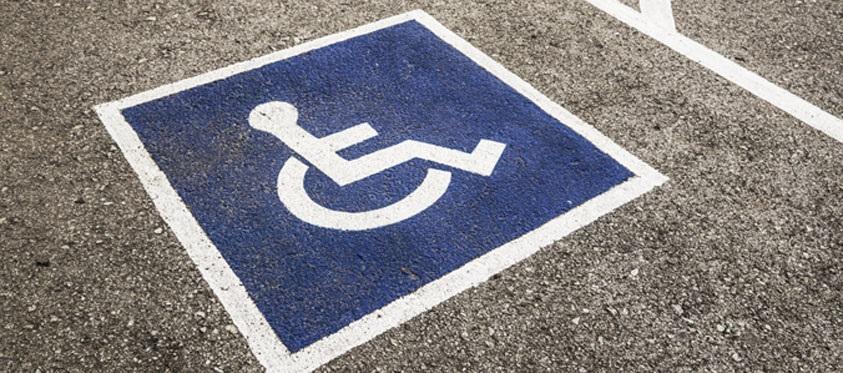
Blue Badge pickup and drop-off scenario
If the badge holder was being collected or dropped off, context and timing matter. Here’s how councils commonly assess these cases and what can help.
Received a letter? What to do before replying.
Pickup and drop-off allegations are one of the most common Blue Badge investigations. They usually begin with a very simple situation. A civil enforcement officer observes a vehicle parked with a Blue Badge displayed, but at that exact moment the badge holder is not visible.
From the council’s perspective, it can appear that the badge is being used without the disabled person present. From the driver’s perspective, they were helping the badge holder into a building, collecting them, or assisting with mobility. The entire case often turns on a few minutes of timing.
Why Councils Flag These Situations
Enforcement officers are trained to record what they see at a single point in time. They do not follow the vehicle or observe the full sequence of events. If the badge holder is not present when they check, the incident may be recorded as suspected misuse.
The difficulty is that Blue Badge rules do allow parking connected to the badge holder’s journey, but the officer may only have seen a snapshot rather than the full situation. That is why pickup and drop-off cases are frequently disputed.
What Investigators Usually Focus On
- where the badge holder actually was at the time
- whether the parking was directly connected to their mobility needs
- how long the vehicle remained parked
- whether the driver returned promptly
- whether the account is consistent with surrounding evidence
What The Rules Actually Allow
A common misunderstanding is that the badge holder must remain inside the vehicle at all times. That is not correct. The Blue Badge scheme exists to assist the disabled person in completing their journey.
This can include helping them into a building, collecting them from an appointment, or parking nearby while providing physical assistance. The key question is whether the parking was genuinely for the benefit of the badge holder rather than the driver.
Typical Real-world Examples
- collecting the holder from a hospital or GP appointment
- assisting them into a pharmacy, shop, or care home
- dropping them at an entrance and returning shortly after
- waiting nearby while they attended an appointment
- helping them safely in or out of the vehicle
In many investigations, the officer simply arrived during the short period when the badge holder was inside the building.
Why People Accidentally Harm Their Own Case
Most recipients immediately send a written explanation to the council. Unfortunately, they often do this from memory without checking times, messages, or appointments.
Small inaccuracies can make a genuine account appear unreliable when compared against CCTV, bodycam footage, or officer notes. Once recorded, those statements are difficult to correct later.
Evidence That Often Helps
You do not need every item below, but anything that supports the timeline can be useful:
- appointment confirmations or medical letters
- texts or call logs arranging collection
- statements from the badge holder or carer
- receipts showing times
- council CCTV or photographs
Interviews Are Often The Turning Point
Councils frequently invite drivers to an interview under caution to compare their account against evidence. The interview is not informal and should be approached carefully.
What To Do Next
Do not ignore the allegation, but avoid rushing a written reply before understanding what evidence the council actually holds. Early advice can often resolve pickup and drop-off cases without prosecution when the circumstances are presented clearly.
Request a Free Discovery Call and we will help you understand your position and the safest way to respond.
Related Guidance
Latest from Our Blog
Stay informed about Blue Badge regulations and legal advice
Should You Accept a Police Caution for Blue Badge Misuse?
It is offered as the quiet way out: sign here, go home, no court. But a caution starts with you admitting the offence, it shows on a standard or enhanced DBS check for six years, and you cannot hand it back. When to take it, and when to refuse.
Read More →
Can My Partner Lose Their Blue Badge if I Was the One Caught Using It?
Yes: a council can revoke the badge holder's permit even if they weren't the one caught. Here's exactly how the administrative review process works, what 'permitted misuse' means in practice, and how to protect your partner's badge while defending your own case.
Read More →
Will the Police Visit My House After a Blue Badge Incident?
In 95% of cases, it won't be the police: it will be a council fraud investigator. But that doesn't make it less serious. Here's exactly who might knock at your door, why, and what you should and shouldn't say.
Read More →Get Your Free Discovery Call
Speak to a specialist before replying.