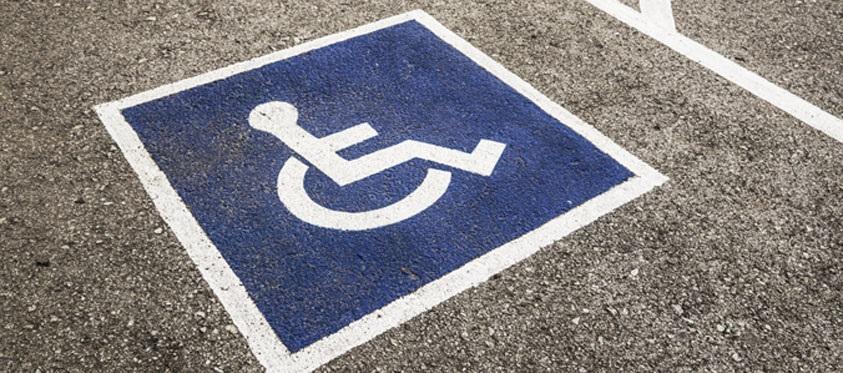
My Partner Used A Blue Badge
These cases are often assessed by one question: was the badge used for the badge holder’s benefit? Here’s how councils commonly look at it and what to do if you’ve been contacted.
Start with the basics: what to do before replying.
Why This Scenario is Treated Seriously
Councils often focus on whether the badge was used to benefit the badge holder. If a partner uses the badge when the holder is not involved, councils may treat it as blue badge misuse.
How Councils Assess Blue Badge Misuse Allegations
When a council investigates suspected Blue Badge misuse, they are not simply looking at whether a badge was displayed. The issue they are trying to determine is whether the parking was genuinely for the benefit of the disabled badge holder.
Many people are surprised to learn that a situation which feels completely innocent, such as quickly collecting shopping, parking while running an errand, or using the badge before collecting the holder, can still trigger an investigation. In these cases, the council will examine the circumstances very closely and try to decide whether the badge was being used correctly under the scheme rules.
Investigators typically rely on civil enforcement officer observations, photographs, surveillance, and interviews. What matters to them is not what you intended, but what they believe the evidence shows.
From the council's perspective, the key questions are:
- Was the badge holder present, being collected, or being dropped off?
- Was the parking genuinely connected to the badge holder’s needs?
- Is the allegation dishonesty, or simply misuse of the scheme?
- What evidence do they rely on?
Understanding how the council evaluates these situations is crucial, because the case often turns not on what happened, but on how the circumstances are explained and evidenced.
Common versions of this scenario
Blue Badge investigations very rarely involve someone deliberately trying to abuse the system. In most cases, the situation arises from a misunderstanding of how strictly the scheme rules are applied. Below are some of the most common circumstances councils investigate.
Partner used the badge to park while running errands
This is the single most common situation we see. A spouse, child, or relative uses the badge to park closer to a shop while collecting items for the badge holder. Although it often feels reasonable, especially if the shopping is for them, the rules require the badge holder to be present, or the parking to be directly connected to immediately collecting or dropping them off. Councils frequently interpret this as misuse even where there was no dishonest intention.
Partner used it while the badge holder was at home
Many families believe the badge can be used for tasks that benefit the disabled person, such as collecting prescriptions, groceries, or medication. Unfortunately the scheme does not work this way. If the badge holder was not travelling, or about to travel, the council will normally treat the parking as unauthorised use. These cases often lead to interview invitations because officers view them as potential dishonesty rather than simple mistake.
Used during a pickup or drop-off but the holder was not visible
Civil Enforcement Officers rely heavily on observation. If they do not see the badge holder enter or leave the vehicle, they may assume they were never present. This commonly happens outside supermarkets, medical centres, or train stations where the driver leaves the car briefly. Even when the badge holder was genuinely nearby, the absence of visible evidence often triggers an investigation.
The badge was left in the vehicle and displayed automatically
Sometimes the badge is kept permanently on the dashboard and forgotten. If the vehicle is then parked while the badge holder is not present, the council may still treat the display as intentional use. Investigations in these cases usually focus on whether the authority believes the driver knowingly relied on the badge, rather than whether the display was accidental.
Importantly, many of these situations begin as misunderstandings rather than deliberate wrongdoing. However, once a council starts an investigation, the matter is assessed using legal standards of evidence. How the circumstances are explained can significantly affect whether the case escalates to prosecution.
How to Think About Risk
Risk tends to be higher where the badge holder was clearly not involved, or where the council believes the badge was used for convenience. Risk can look different where the parking is genuinely connected to collecting or helping the badge holder.
What to do if you’ve received a letter
- Keep the letter pack and note any deadlines
- Write a short timeline of what happened and why
- Gather any documents that support pickup, drop-off, or appointments
- Get advice before sending a detailed written account
Interviews can change the direction of a case
If the council requests an interview, get advice first. Answers can be used to confirm concerns or clear up misunderstandings.
Related guidance
- Defences to Blue Badge misuse allegations
- Is Blue Badge misuse fraud under the Fraud Act 2006?
- Can Blue Badge misuse charges be dropped?
Next steps
If your partner used the badge and you’ve been contacted by the council, a short call can help you understand what the council is likely alleging and the safest way to respond.
Request a free discovery call before replying or agreeing to an interview.
Latest from Our Blog
Stay informed about Blue Badge regulations and legal advice
Should You Accept a Police Caution for Blue Badge Misuse?
It is offered as the quiet way out: sign here, go home, no court. But a caution starts with you admitting the offence, it shows on a standard or enhanced DBS check for six years, and you cannot hand it back. When to take it, and when to refuse.
Read More →
Can My Partner Lose Their Blue Badge if I Was the One Caught Using It?
Yes: a council can revoke the badge holder's permit even if they weren't the one caught. Here's exactly how the administrative review process works, what 'permitted misuse' means in practice, and how to protect your partner's badge while defending your own case.
Read More →
Will the Police Visit My House After a Blue Badge Incident?
In 95% of cases, it won't be the police: it will be a council fraud investigator. But that doesn't make it less serious. Here's exactly who might knock at your door, why, and what you should and shouldn't say.
Read More →Get Your Free Discovery Call
Speak to a specialist before replying.