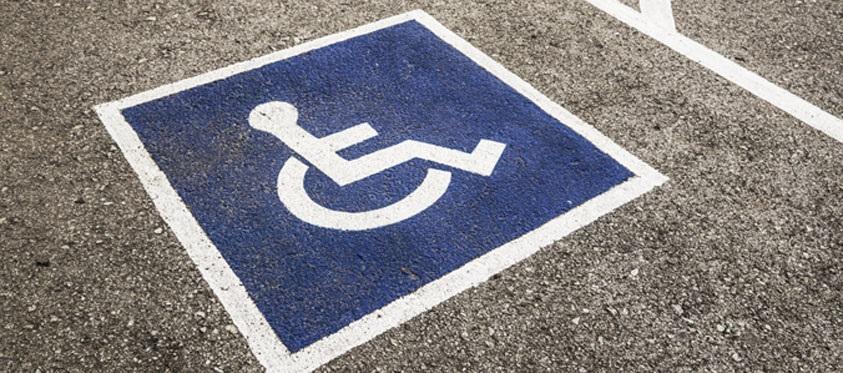
Blue Badge Misuse
Sentencing
The penalty you face is not fixed. It depends almost entirely on how the case is charged, and that is often still in play. Here is what the sentence could be, and how it is reduced.
Free · Confidential · Available evenings and weekends
Your sentence depends on the charge, not the parking
Most people searching for Blue Badge sentencing want one number: how much will this cost me? The honest answer is that there is no single figure, because the punishment is driven by what you are charged with, not by the parking event itself.
Yes, misuse of a Blue Badge is a criminal offence. But there is a wide gap between a fine-only Section 117 matter with no dishonesty, and a Fraud Act conviction that records dishonesty and follows you for years. Understanding which one you are facing is the first step to understanding your real exposure.
The three levels of charge
Blue Badge cases are charged at one of three levels. The level decides the penalty far more than the facts of the parking do.
Section 117, wrongful use
Most commonFine up to £1,000
The most common Blue Badge charge. Using or displaying a badge that is not yours, or not in line with the rules, under Section 117 of the Road Traffic Regulation Act 1984. It is fine-only, with a maximum of £1,000 (level 3), and involves no finding of dishonesty. Serious, but survivable for most people's careers.
Section 115, use with intent to deceive
Deception involvedMore serious
Where a badge is used, lent or copied with intent to deceive, or a fake badge is involved, the matter is treated more seriously than a straightforward Section 117 case because deception is at its heart. Cases at this level are often escalated towards a fraud charge.
Fraud Act 2006, fraud by false representation
Most seriousDishonesty record
The serious end. An either-way offence that records dishonesty, used where the council says you knowingly deceived, for example by using a deceased relative's badge or altering a badge. Custody is very unlikely for a typical Blue Badge case, but the dishonesty conviction itself can be devastating for a DBS check, a professional regulator, and visa applications.
The fine is not the whole bill
When people hear “up to £1,000” they assume that is the total. It is not. On a conviction, a court typically adds:
- The fine itself, set with your income in mind, up to the maximum for the offence.
- A victim surcharge, calculated as a proportion of the fine.
- Prosecution costs, which the council will usually ask the court to award.
The council can also confiscate the badge. And the cost that rarely shows up on the court paperwork is the one that matters most: a conviction that can reach a DBS check and your record.
What actually reduces the penalty
The outcome is not out of your hands. Three things make the biggest difference, and the most powerful one happens early.
The charge decision (the biggest lever)
The single thing that most affects your sentence is whether the case is a Section 117 fine matter or a Fraud Act dishonesty charge. That decision is often still open at the letter and interview stage, which is why specialist advice early can change the whole trajectory of the case, not just the number at the end.
An early guilty plea
Where a guilty plea is the right course, entering it early can reduce a fine by up to a third. Pleading at the last minute, or after wrongly contesting a case, loses that credit. Whether and when to plead should be a considered decision, not a panic response to a deadline.
Mitigation and your circumstances
Magistrates set fines with your financial circumstances in mind and weigh genuine mitigation: your record, the context of the journey, health, and caring responsibilities. Presenting this properly can be the difference between a proportionate outcome and an avoidable one.
Will I go to prison?
For a typical Blue Badge case, no. A Section 117 matter is fine-only and cannot lead to custody. Even where a case is charged as fraud, a first-time Blue Badge matter is normally dealt with by a fine or a community order, not prison. The real and lasting consequence is usually the conviction and any dishonesty record, which is exactly why the charge matters more than the fine.
Case Study
“A client was facing a fraud charge for using a relative's badge, with the dishonesty record that comes with it. We worked with the council before charge, and the matter was dealt with as a Section 117 fine instead. A four-figure fraud conviction risk became a modest fine with no dishonesty finding.”
Outcome: Charged as Section 117 · No dishonesty record · Career protected
Useful next steps
If you’re unsure what to do next, these guides explain the most common stages and how to respond safely.
Not sure which situation applies? Browse real-world scenarios.
Professionals at Risk
Are you a Nurse, Teacher, Social Worker, or Financial Professional, or in any role that requires a DBS check or professional registration? A Blue Badge conviction appears on a DBS check and can be reported to professional bodies like the NMC, GMC, or FCA. Many employers ask about unspent convictions, and this offence does not disappear quickly.
We specialise in out-of-court settlements for professionals. In many cases, early intervention prevents any prosecution from being recorded at all.
Discuss protecting your career →“We helped a client avoid a criminal record after they received a PACE interview invite for using a relative's badge. By negotiating with the Council before the interview, we secured an out-of-court settlement with no prosecution and no conviction recorded.”
- ✓No prosecution
- ✓No criminal record
- ✓No court appearance
Useful guides
Is Blue Badge misuse fraud?
Section 117 vs the Fraud Act 2006
Caution vs prosecution
Is a caution really the easy way out?
Will this give you a criminal record?
How convictions are recorded and disclosed
Single Justice Procedure Notice
What to do if your case reaches court
Could this affect your career?
For nurses, care workers and other regulated professionals
Act now
Free assessment of what you actually face
Tell us how your case has been charged and we'll explain the likely penalty, the dishonesty risk, and how it can be reduced. No obligation.
Get Your Free AssessmentAvailable evenings & weekends
How serious is your case?
Take our free 4-question Prosecution Risk Calculator for an instant read on where your case sits.
Take the Risk CalculatorLatest from Our Blog
Stay informed about Blue Badge regulations and legal advice
Should You Accept a Police Caution for Blue Badge Misuse?
It is offered as the quiet way out: sign here, go home, no court. But a caution starts with you admitting the offence, it shows on a standard or enhanced DBS check for six years, and you cannot hand it back. When to take it, and when to refuse.
Read More →
Can My Partner Lose Their Blue Badge if I Was the One Caught Using It?
Yes: a council can revoke the badge holder's permit even if they weren't the one caught. Here's exactly how the administrative review process works, what 'permitted misuse' means in practice, and how to protect your partner's badge while defending your own case.
Read More →
Will the Police Visit My House After a Blue Badge Incident?
In 95% of cases, it won't be the police: it will be a council fraud investigator. But that doesn't make it less serious. Here's exactly who might knock at your door, why, and what you should and shouldn't say.
Read More →Free & Confidential
Find Out What You Really Face
Available for urgent advice on evenings and weekends.