
A Blue Badge allegation and your career
Whether this threatens your registration, your DBS or your job depends almost entirely on which charge the council decides to bring, and that decision has not been made yet. That is exactly why what you do now matters.
Been invited to an interview under caution? This is the most important stage, read this first.
The one decision that determines everything
If you are a regulated professional, the question you are really asking is not “will I be fined?” It is “could this end my career?” The honest answer is that it depends on a decision the council has not yet taken: how to charge the case.
A Blue Badge allegation can be pursued in two very different ways, and the gap between them is enormous:
- Section 117, Road Traffic Regulation Act 1984: the specific Blue Badge misuse offence. It is a summary matter dealt with by a fine. It does not involve a finding of dishonesty, and for many regulated professionals it is survivable.
- The Fraud Act 2006: a dishonesty offence. This is the one that threatens your registration, because regulators react to dishonesty far more severely than to a parking matter. A Fraud Act outcome is a different order of problem.
The council decides which route to take largely on the strength of the dishonesty evidence it gathers, and the place it gathers most of that evidence is the interview under caution. That is why involving a specialist before the interview can genuinely change the charging decision, rather than just mitigate after the fact.
This is the point most people miss: the outcome is still live. Acting now is not panic: it is the one window where the path of the case can still be influenced.
Find your profession
Each regulator treats a Blue Badge allegation differently, and each has its own rules on what you must report and when. Start with your profession.
Nurses & midwives (NMC)
A caution or charge can trigger a duty to tell the NMC before any conviction. What the council charges decides how serious this is for your registration.
Care & childcare workers (enhanced DBS)
A caution can appear on an enhanced DBS check even with no conviction, putting work in regulated activity at risk. The charge you accept matters.
Other regulated professions
Dedicated guidance is being added for doctors (GMC), allied health professionals such as physiotherapists, paramedics and occupational therapists (HCPC), social workers (Social Work England), teachers (TRA and DBS), pharmacists (GPhC), solicitors (SRA), accountants (ICAEW / ACCA), FCA approved persons under the SM&CR, police officers, and taxi, private hire and SIA licence holders.
If your profession is not yet listed, the principles below still apply. Speak to us directly and we will tell you exactly how your regulator treats this.
Do you have to tell your regulator?
For most professional registers (the NMC, GMC, HCPC, Social Work England, GPhC and SRA among them) there is a duty to self-report a caution or charge, and that duty can bite before any conviction. Reporting late, or not at all, is often treated more seriously than the underlying matter. But over-reporting a case that was only ever going to be a section 117 fine can also do unnecessary damage.
Getting this judgement right is one of the most valuable things early advice gives you. Use the Regulatory Obligations Checker to see where you stand.
What will appear on your DBS?
Enhanced DBS checks can disclose cautions, and in some cases non-conviction information, not just convictions. For anyone working in regulated activity with children or vulnerable adults, that disclosure can matter as much as the court outcome itself. Check what could appear on your DBS.
Why act now rather than wait
The instinct is to reply to the council, explain, and hope it goes away. For a regulated professional that instinct is dangerous: an unguarded explanation can supply the dishonesty evidence that pushes a section 117 matter towards a Fraud Act charge, and towards your regulator.
Request a free, confidential discovery call before you respond to the council or your regulator.
Your career may not be over
For many professionals it is not, but the safe path depends on the charge. Get discreet advice before you reply or attend an interview.
Get Free Discovery CallDo you have to tell your regulator?
Answer a few quick questions and find out whether a self-report duty applies to your situation.
Regulatory Obligations CheckerThe decisive stage
The interview under caution is where the charging decision is effectively made. If you have been invited to one, read this before you attend.
Latest from Our Blog
Stay informed about Blue Badge regulations and legal advice

Should You Accept a Police Caution for Blue Badge Misuse?
It is offered as the quiet way out: sign here, go home, no court. But a caution starts with you admitting the offence, it shows on a standard or enhanced DBS check for six years, and you cannot hand it back. When to take it, and when to refuse.
Read More →
Can My Partner Lose Their Blue Badge if I Was the One Caught Using It?
Yes: a council can revoke the badge holder's permit even if they weren't the one caught. Here's exactly how the administrative review process works, what 'permitted misuse' means in practice, and how to protect your partner's badge while defending your own case.
Read More →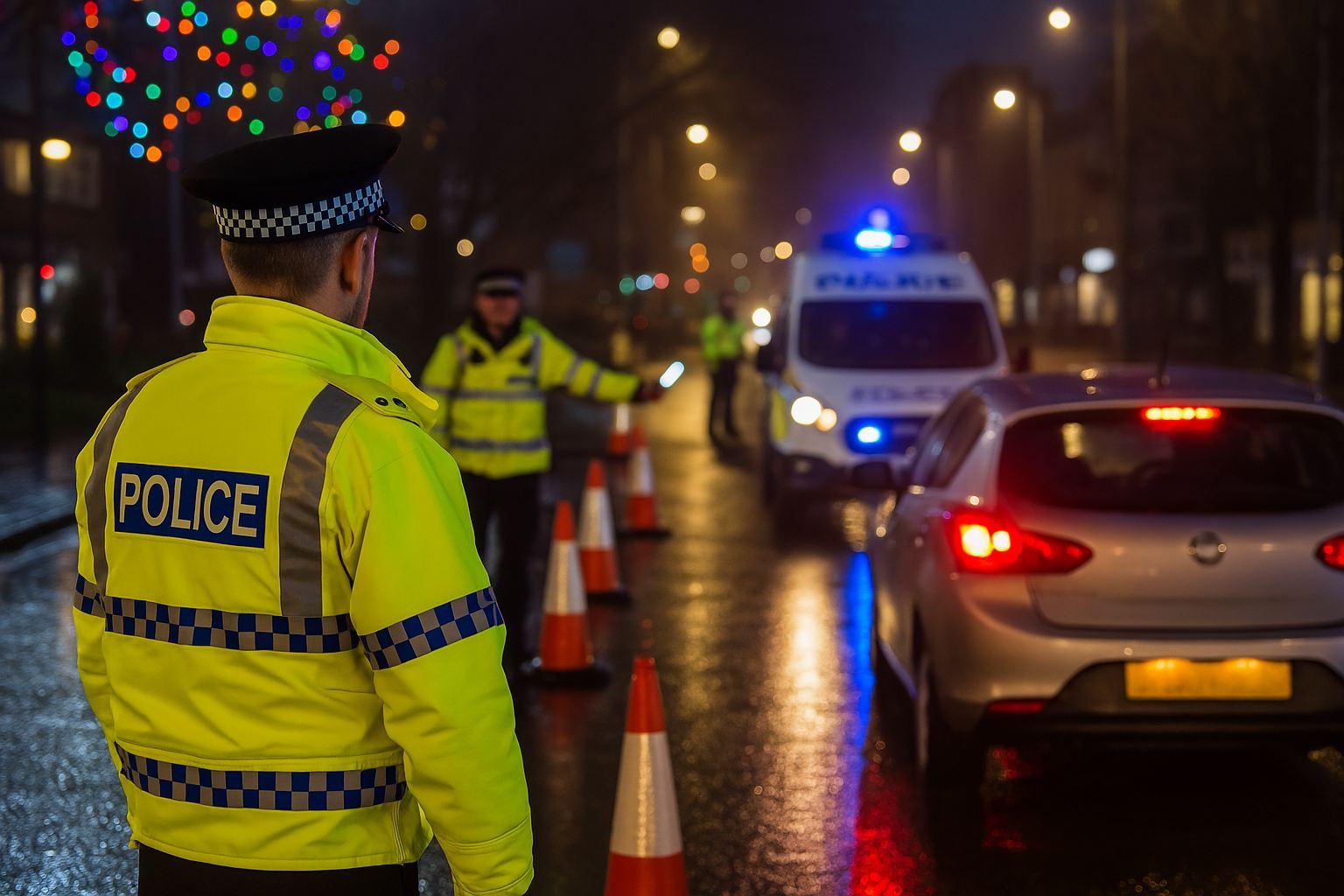
Will the Police Visit My House After a Blue Badge Incident?
In 95% of cases, it won't be the police: it will be a council fraud investigator. But that doesn't make it less serious. Here's exactly who might knock at your door, why, and what you should and shouldn't say.
Read More →Get Your Free Discovery Call
Speak to a specialist before replying to the council or your regulator.