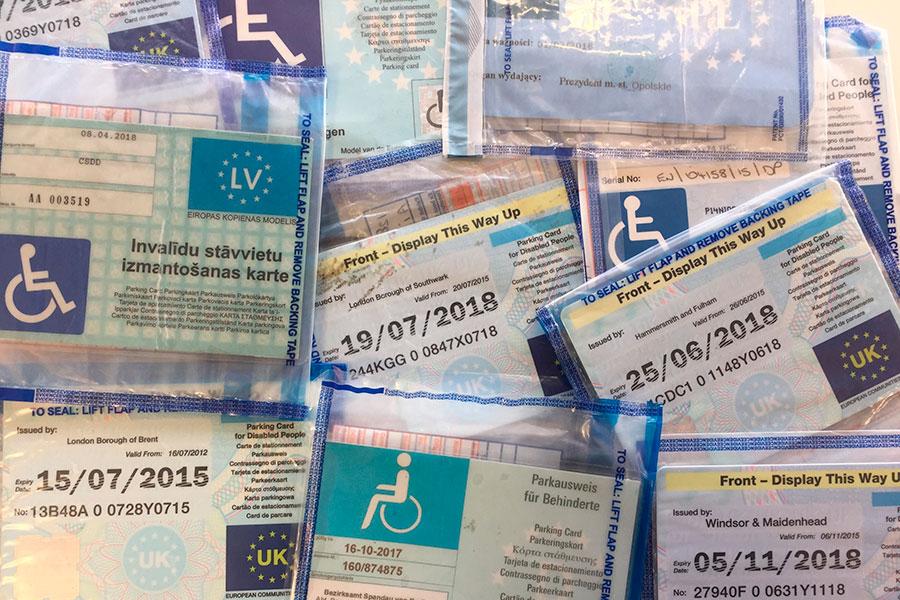
Blue Badge Fraud and Scams: How They Work and How to Avoid Them
Last reviewed for accuracy: Feb 2026
A Blue Badge is not just a parking permit, it's a lifeline for people with disabilities. It provides them with the freedom to park closer to essential services, making everyday tasks like shopping, attending medical appointments, and going to work more manageable. Without it, many disabled individuals would face significant barriers to mobility and independence.
Yet, despite the scheme's vital purpose, fraudsters have found ways to exploit it for their own benefit. Whether through forgery, theft, or online scams, these criminals take advantage of a system designed to support those who need it most. Every fraudulent Blue Badge in circulation means fewer spaces available for genuine badgeholders, making life harder for those with disabilities.
The rise in Blue Badge fraud has prompted local councils and law enforcement to take action, but the problem persists. Criminals are becoming more sophisticated, using fake badges, illegal sales, and digital deception to abuse the system. Meanwhile, unsuspecting drivers may unknowingly buy a fraudulent badge or be caught in scams that leave them with hefty fines or even legal consequences.
If you have already been contacted by a council about a badge, you canget guidance before responding. Early advice often prevents situations escalating unnecessarily.
So, how do these scams work? Who is behind them? And most importantly, how can you avoid falling victim to Blue Badge fraud? This guide will break down the most common scams, reveal how fraudsters operate, and explain what authorities are doing to stop them.
Quick summary
- Blue Badge scams include fake badges, stolen permits, and fake renewal websites.
- Using or buying a fraudulent badge can lead to fines or criminal investigation.
- Many scams target ordinary drivers as well as disabled badge holders.
- Only apply or renew a Blue Badge through your local council or the official GOV.UK process.
What Is Blue Badge Fraud?
Blue Badge fraud generally means dishonestly obtaining, altering, selling, or using a disabled parking badge to gain parking benefits that you are not entitled to. This can include using a badge when the holder is not present, selling counterfeit permits, or creating fake renewal websites.
Some cases are treated as parking enforcement matters, while others may be investigated as criminal offences, particularly where dishonesty is suspected. The seriousness depends on the circumstances and evidence involved.
1. The Different Types of Blue Badge Scams
Fraudsters exploit the Blue Badge system in multiple ways. Some operate in organised networks, while others are individuals looking for personal gain. Regardless of the method, all forms of Blue Badge fraud have one thing in common: they take parking spaces away from those who genuinely need them.
1.1 Fake Blue Badges for Sale
Counterfeit Blue Badges are a major problem. Criminal gangs and individual scammers produce fake permits that look authentic but lack the security features of genuine badges.
- These fake badges are often sold online, through websites, social media marketplaces, and even on the dark web.
- Scammers target people looking to bypass parking restrictions, offering counterfeit badges for £50 to £300.
- Many unsuspecting buyers believe they are purchasing a legitimate badge and only realise the fraud when they are fined or their vehicle is impounded.
1.2 Stolen Blue Badges
One of the most common forms of Blue Badge fraud is theft. Criminals target cars displaying genuine badges, often breaking windows to steal them.
- Stolen badges are then sold illegally or used by fraudsters to park in disabled bays for free.
- Many stolen Blue Badges are found being resold in other cities, making them harder to trace.
- Victims of theft not only lose their permit but also face weeks or months of waiting for a replacement.
1.3 Forged or Altered Badges
Some fraudsters alter legitimate Blue Badges by changing the expiry date or modifying details to make them appear valid after they have expired.
- These altered badges allow people to continue using disabled parking privileges illegally.
- Some forgers use scanning and printing techniques to make convincing copies, complete with fake holograms.
- Many offenders get caught during routine checks by parking enforcement officers, who are trained to spot alterations.
1.4 Borrowed or Misused Badges
This is perhaps the most common type of Blue Badge fraud committed by everyday people rather than organised criminals. Many drivers do not realise that using a badge when the holder is not present can still be treated as misuse (see typical Blue Badge misuse examples).
- Family members or friends use a Blue Badge when the badgeholder is not present, either to avoid parking fees or to get a closer space.
- Some drivers justify the misuse by claiming that the badgeholder "gave them permission" to use it.
- Councils are cracking down on this, and misuse can lead to enforcement action, fines, badge seizure, or prosecution depending on the circumstances.
1.5 Online Blue Badge Renewal Scams
Not all Blue Badge fraud is about using a fake permit. Some scams target legitimate badgeholders by tricking them into paying unnecessary fees for renewal.
- Fake websites mimic official government or council sites, charging people extra fees for "processing" their Blue Badge application.
- Some scams steal personal details, leading to identity theft or financial fraud.
- Victims often don't realise they've been scammed until they fail to receive their renewed Blue Badge.
2. How Fraudsters Operate and Who They Target
Blue Badge scammers come in many forms, some are petty criminals, others are organised gangs, and some exploit people online through digital deception.
2.1 Organised Criminal Networks
Many forged Blue Badges come from criminal gangs operating large-scale fraud rings. These organisations:
- Use sophisticated printing equipment to create fake permits.
- Sell stolen badges across different regions to avoid detection.
- Sometimes involve corrupt insiders who help issue fake but seemingly "official" badges.
Some operations can be financially significant, profiting at the expense of disabled people and undermining the purpose of the scheme.
2.2 Opportunistic Thieves
Street criminals often steal Blue Badges from parked cars, knowing they can sell them for quick cash.
- These individuals target vehicles in busy areas, particularly near hospitals, train stations, and supermarkets.
- Some thieves don't even use the badges, they just sell them to anyone willing to pay.
2.3 Online Fraudsters
Scammers operating on the internet prey on people looking for cheap alternatives to official Blue Badge applications.
- They pose as government services, tricking people into paying inflated renewal fees.
- Some sell fake or expired badges, leaving buyers with heavy fines.
Online fraud has grown as more people rely on digital services, making awareness crucial.
3. How to Spot a Fake Blue Badge
Fake Blue Badges can look convincing, but they almost always have tell-tale signs that set them apart from real ones.
- No embossed hologram – Genuine badges have a raised, reflective hologram that can't be replicated by printers.
- Blurry or incorrect font – Many counterfeit badges use the wrong typography, spacing, or alignment.
- Poor quality plastic – Fake badges often feel thinner or cheaper compared to genuine ones.
- Incorrect details – Spelling mistakes, wrong badge colours, or formatting errors are common.
If you suspect a fake or stolen Blue Badge, report it to yourlocal council's enforcement team.
4. What Authorities Are Doing to Stop Blue Badge Fraud
Councils and law enforcement agencies are increasing efforts to combat fraud, using a mix of technology, surveillance, and tougher penalties.
- Blue Badge databases now allow enforcement officers to verify badges instantly.
- Undercover stings have been set up to catch people buying and selling fake badges.
- Stronger penalties, including fines of up to £1,000 and criminal prosecution, are being enforced.
Many councils now proactively check badge usage, meaning offenders are more likely than ever to be caught.
If you have already used, bought, or been offered a Blue Badge that you now suspect was not genuine, do not ignore it. Continuing to use a badge you believe may be invalid can create legal problems, but early advice often prevents situations from escalating unnecessarily.
5. How to Protect Yourself and Others from Blue Badge Scams
You can help fight Blue Badge fraud by staying vigilant and reporting suspicious activity.
- Never buy a Blue Badge online – The only way to obtain a genuine Blue Badge is through your local council.
- Keep your badge secure – If leaving your car parked, take your badge with you when possible.
- Be cautious when renewing online – Always use the official government website.
- Check the web address carefully – official services will be on GOV.UK or your council’s website, not “badge-renewal” third-party sites.
- Report stolen or lost badges immediately – Councils can replace them and flag stolen badges in their system.
By taking these steps, you help ensure the Blue Badge scheme remains fair for those who truly need it.
Common Questions About Blue Badge Scams
Is it illegal to buy a Blue Badge online?
Yes. Genuine Blue Badges are only issued through your local council. Buying one online is a strong indicator it is counterfeit or stolen and may lead to enforcement action.
What should I do if I bought a fake Blue Badge?
Stop using it immediately and contact your local council for guidance. Continuing to use a badge you suspect is not genuine can create legal problems.
How do I renew my Blue Badge safely?
Always apply through your local council or the official GOV.UK process. Avoid third-party websites that charge additional fees for “processing” or “fast-tracking”.
Can I get in trouble for using a relative's badge?
Yes. Using a badge when the holder is not entitled to the parking benefit at that time may be treated as misuse, even if you had permission from the holder.
Conclusion: Why Blue Badge Fraud is Everyone's Problem
Blue Badge scams don't just affect councils and enforcement officers, they affect real people who rely on these permits for independence and accessibility.
When fraudsters exploit the system, genuine badgeholders are left struggling to find parking. Disabled individuals who need close access to facilities are forced to park further away, making everyday tasks more difficult and stressful.
Stopping Blue Badge fraud requires public awareness, stronger enforcement, and personal vigilance. If you see something suspicious, report it. If you own a Blue Badge, keep it safe. And if you ever consider taking advantage of the system, ask yourself, is it really worth the risk? Because councils are catching more offenders than ever, and the penalties are only getting tougher.
Many people who contact us are unsure whether they have actually done anything wrong. Getting early guidance can clarify your position and help you avoid responding in a way that unintentionally makes matters worse.
Need Help with a Blue Badge Misuse or Fraud Allegation?
If you've been contacted by the council about Blue Badge misuse or are worried about an investigation, you can speak to a specialist solicitor. We will connect you with an appropriate legal expert for an initial consultation.
Speak to a Blue Badge SolicitorDon't risk fines or penalties, let us help you understand your rights and responsibilities under the Blue Badge scheme.

Cara Sheehan
Legal Expert