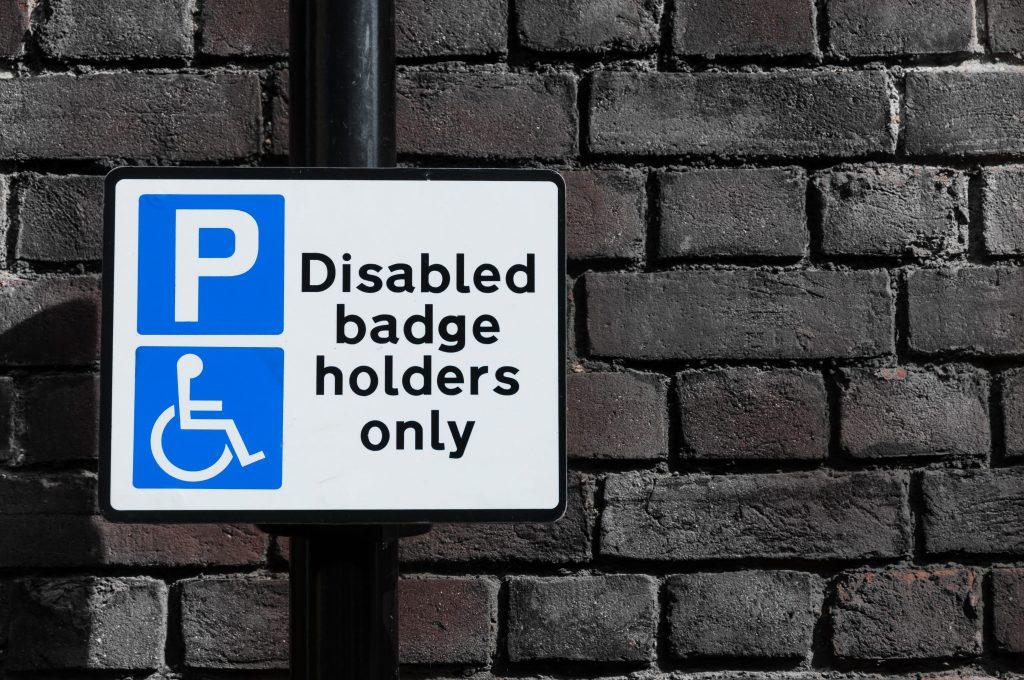
Common Blue Badge Myths Debunked: What You Need to Know
If you still think using someone else’s Blue Badge is a low risk shortcut to parking, this case should make you pause. Last month at Ealing Magistrates’ Court, nine people were convicted after being caught using disabled parking badges incorrectly or fraudulently. It is part of a wider enforcement campaign by Ealing Council, and the big takeaway is not just the fines. It is how they were caught.
The system councils use to spot misuse has changed. Officers are no longer relying on a quick glance at a badge on the dashboard. Verification checks are faster, more routine, and backed by national data. That shift is a big reason why prosecutions are rising.
Nine convictions at Ealing Magistrates’ Court
The court heard that one offender bought a Blue Badge for £250 through a social messaging platform and admitted using it “for convenience”. The court did not treat it as a minor issue.
That defendant was fined £704 and ordered to pay £1,085.25 in court costs plus a £282 victim surcharge. Across all nine cases, the court ordered payments totalling close to £4,000.
This is part of a wider crackdown
Ealing Council says it seizes dozens of misused Blue Badges each month. Since April 2025, the council says it has taken court action against more than 115 people for badge fraud. It reports that this has resulted in more than £20,000 in fines, over £70,000 in court costs, and £8,310 in victim surcharge payments.
What the Blue Badge rules actually require
A Blue Badge is intended to help people whose mobility is affected by a disability, and the carers who support them, by letting them park closer to shops, services, and other essential destinations.
The council says the badge must only be used by the person it is issued to, or by someone transporting them. Using a badge when the badgeholder is not present can prevent disabled residents from accessing the parking spaces they rely on.
How councils are catching misuse more easily
Enforcement officers in Ealing now use a mobile app linked to the Department for Transport database to check whether a badge is valid, cancelled, or reported stolen. Police teams in the borough can also carry out on the spot checks.
What Ealing Council says
Councillor Paul Driscoll, Ealing Council’s cabinet member for climate action, said: “Every badge falsely used is a disabled person deprived of the access they need. We will continue to pursue offenders with the severity needed to uphold fairness for those who rely on these spaces.”
How to report suspected misuse
Eailing council is also asking residents to report suspected fraudulent use of a Blue Badge by calling 020 8825 8161.
What To Do Next
If you have received a letter, been asked to attend an interview, or have been stopped by an enforcement officer about Blue Badge use, do not ignore it and do not assume it is just a warning. Councils often begin contact after evidence has already been gathered. We have plenty of guides here to help you figure out the best course of action.
Need Help with a Blue Badge Misuse or Fraud Allegation?
If you've been accused of Blue Badge misuse or need legal advice, don't wait, time is critical. Contact us today and we will put you in touch with an expert Blue Badge Case solicitors, for a free initial discovery call.
Get Free Blue Badge Misuse Discovery Call NowDon't risk fines or penalties, let us help you understand your rights and responsibilities under the Blue Badge scheme.

Cara Sheehan
Legal Expert